The Achilles tendon is one of the strongest tendons in the body, connecting the calf muscles to the heel bone and allowing us to walk, run, and jump. Despite its strength, it can sometimes tear or rupture, causing severe pain and difficulty in movement. An Achilles tendon rupture requires timely and appropriate treatment to prevent long-term problems. Orthopedic surgeons play a crucial role in diagnosing, managing, and treating this injury effectively.
Understanding Achilles Tendon Ruptures
An Achilles tendon rupture usually occurs due to sudden stress on the tendon, often during sports or physical activities. People may feel a sharp pain in the back of the ankle or hear a popping sound at the moment of injury. Swelling, bruising, and difficulty walking are common signs. It is important to understand that this injury can happen to anyone, not just athletes. Early diagnosis by orthopedic surgeons is vital to avoid complications and ensure proper healing.
Role of Orthopedic Surgeons in Diagnosis
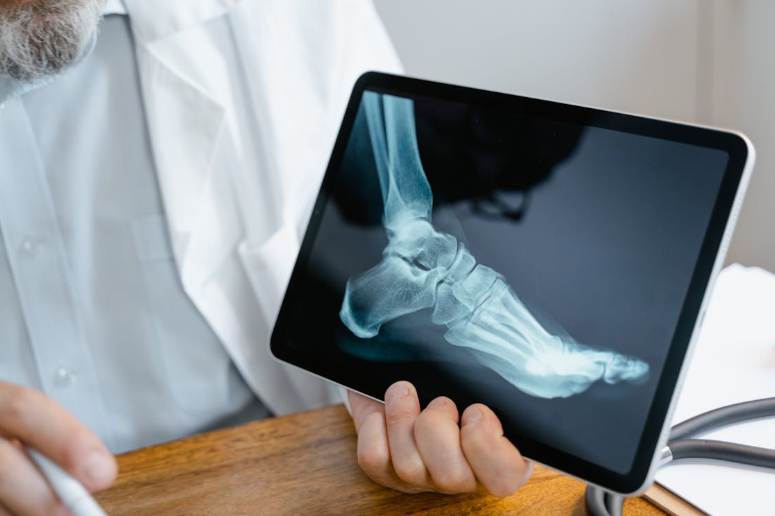
Orthopedic surgeons are specialists trained to treat injuries related to bones, muscles, and tendons. When a patient experiences an Achilles tendon rupture, an orthopedic surgeon conducts a physical examination and may use imaging tests like an ultrasound or MRI to confirm the injury. They carefully assess the severity of the rupture, the patient’s overall health, and activity level. Accurate diagnosis is the first step toward effective treatment and recovery.
Treatment Options Provided by Orthopedic Surgeons
Orthopedic surgeons offer both surgical and non-surgical treatment options for Achilles tendon ruptures. Non-surgical treatment may include immobilization with a cast or walking boot and physical therapy to restore strength and flexibility. This method is suitable for patients with partial ruptures or those who may have health conditions that make surgery risky.
For complete ruptures or in highly active individuals, orthopedic surgeons often recommend surgical repair. Surgery involves stitching the torn tendon back together to restore function. The procedure is usually followed by a period of immobilization and a carefully structured rehabilitation program. Orthopedic surgeons ensure that patients receive personalized treatment plans that best suit their needs and lifestyle.
Rehabilitation and Recovery Guidance
Recovery after an Achilles tendon rupture is a gradual process, and orthopedic surgeons guide patients through every step. Rehabilitation typically involves physical therapy exercises to improve strength, balance, and range of motion. Orthopedic surgeons monitor progress closely and adjust the rehabilitation plan as needed. Their guidance helps prevent re-injury and ensures the tendon heals correctly, allowing patients to return to daily activities or sports safely.
Preventing Future Injuries
Orthopedic surgeons not only treat the rupture but also provide advice on preventing future injuries. They may suggest exercises to strengthen the calf muscles, proper warm-up techniques before physical activities, and guidance on footwear that supports the foot and ankle. Following these recommendations reduces the risk of another Achilles tendon rupture and promotes long-term tendon health.
Conclusion
Achilles tendon ruptures can be painful and disruptive, but with the expertise of orthopedic surgeons, effective treatment and recovery are possible. From accurate diagnosis to surgical repair and rehabilitation, orthopedic surgeons provide comprehensive care tailored to each patient. Their professional guidance ensures proper healing, reduces the risk of future injuries, and helps patients regain mobility and confidence in their daily activities. Seeking prompt attention from an orthopedic surgeon is essential for anyone experiencing symptoms of an Achilles tendon rupture.