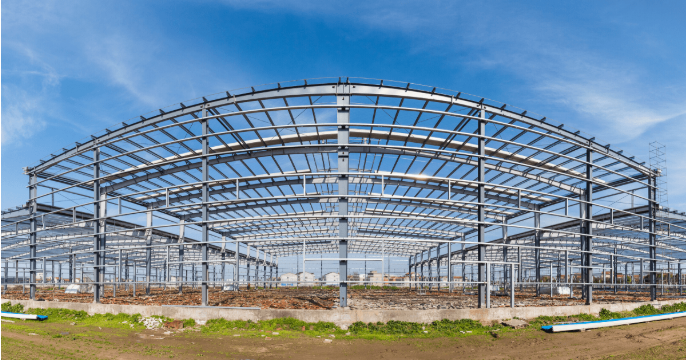
In today’s fast-growing industries, companies face increasing demands for efficient storage and warehousing solutions. Traditional buildings often come with limitations such as high construction costs, long build times, and lack of flexibility. Steel buildings have emerged as a practical and effective solution to meet large-scale storage needs. Their design, durability, and adaptability make them an ideal choice for businesses looking to optimize space, reduce costs, and improve operational efficiency.
Why Steel Buildings Are Ideal for Large-Scale Storage
Steel buildings are constructed using strong steel frames that provide excellent support and stability. Unlike traditional brick or concrete structures, steel buildings can cover large areas without the need for internal columns, allowing uninterrupted open space. This open floor plan is especially beneficial for warehouses, as it enables efficient storage of goods and easy movement of forklifts and other machinery. The flexibility of steel structures ensures that businesses can expand or modify their storage layouts without significant reconstruction.
Fast Construction and Cost Efficiency
One of the most significant advantages of steel buildings is their speed of construction. Prefabricated steel components are manufactured off-site and then assembled quickly on-site. This reduces the overall construction time compared to traditional building methods, allowing companies to start operations sooner. Additionally, steel buildings are cost-effective in the long run. They require less maintenance, have a longer lifespan, and are resistant to pests, rot, and fire, reducing unexpected repair costs. These benefits make steel buildings a smart investment for companies with large-scale storage needs.
Durability and Strength of Steel Buildings
Steel is known for its strength and durability. Steel buildings can withstand harsh weather conditions, including heavy snow, strong winds, and earthquakes. This durability ensures the safety of stored goods and reduces the risk of structural damage. Unlike wood or concrete, steel does not warp, crack, or shrink over time. For businesses storing valuable products or machinery, steel buildings provide peace of mind by offering a secure and reliable storage environment.
Flexibility in Design and Expansion
Steel buildings offer unmatched design flexibility. They can be customized to fit the specific needs of any business, whether it requires high ceilings for stacking products or wide doors for easy loading and unloading. The modular nature of steel construction allows for future expansions without major disruptions. Companies can add extra bays, mezzanine floors, or additional storage sections as their needs grow. This adaptability is particularly useful for industries experiencing rapid growth or fluctuating inventory levels.
Energy Efficiency and Sustainability
Modern steel buildings can be designed with energy efficiency in mind. Insulated panels, reflective roofing, and ventilation systems can reduce energy consumption, keeping storage areas at optimal temperatures and protecting sensitive products. Steel is also a recyclable material, making these buildings environmentally friendly. Businesses can benefit from reduced energy costs while contributing to sustainable construction practices.
Simplifying Warehouse Management
Steel buildings are not only about physical space but also about improving operational efficiency. Open and customizable layouts make it easier to organize inventory, track shipments, and manage logistics. Wide spans and high ceilings accommodate various storage systems such as pallet racks, automated shelving, and conveyor belts. These features help businesses streamline their warehouse operations, reduce handling time, and increase overall productivity.
Safety and Compliance Advantages
Safety is a critical concern for any large-scale storage facility. Steel buildings offer excellent fire resistance and structural stability, reducing the risk of accidents. They can also be designed to meet local building codes and industry-specific regulations. Properly designed steel warehouses can include emergency exits, fire suppression systems, and seismic reinforcements, ensuring a safe working environment for employees while protecting valuable inventory.
Conclusion
Steel buildings have revolutionized large-scale storage and warehousing by offering a combination of strength, flexibility, and cost efficiency. Their ability to provide open, customizable spaces, rapid construction, and long-term durability makes them an ideal solution for modern businesses. From energy efficiency to safety and operational optimization, steel buildings address all the challenges associated with large-scale storage needs. As industries continue to grow and storage demands increase, steel buildings remain a reliable and practical choice for companies seeking to simplify their warehousing operations while maximizing productivity and minimizing costs.