Key Takeaways
- A weak or unreliable well-water system does not always mean the pump itself has failed.
- Hillsborough Pump & Well Drilling LLC provides well drilling, pump repair and replacement, submersible and shallow- and deep-well pumps, storage tanks, well abandonment, and filtration systems.
- Professional troubleshooting can help avoid buying a pump that does not fit the well, water demand, or pressure system requirements.
- Cloudy water and other changes in water appearance should be treated as water-quality concerns as well as possible mechanical symptoms.
- Private well owners should test water regularly and after important changes to the well system or water quality.
Table of Contents
- Introduction
- The Fastest Way to Address a Well Pump Problem
- Why Tampa Well Pump Problems Happen
- Warning Signs Homeowners Should Watch For
- A Whole-System Assessment
- Pump and Storage Tank Options
- Repair or Replace?
- Water Quality and Filtration
- What Happens After a Service Request?
- Frequently Asked Questions
- Final Thoughts
When a private well stops delivering dependable water, it is tempting to order a pump or replacement part immediately. A better first step is to request a professional system evaluation. For property owners seeking pump supply Tampa services, Hillsborough Pump & Well Drilling LLC can help identify whether the concern is truly the pump or another connected part of the water system.
Low pressure, cloudy water, air at fixtures, unusual sounds, and frequent pump cycling can each have several possible causes. Looking at the pump, pressure equipment, controls, plumbing, well conditions, and water-quality symptoms together gives homeowners a more practical basis for deciding whether repair, replacement, filtration, or another service is appropriate.
What Is the Fastest Way to Address a Well Pump Problem?
The fastest, most reliable path is diagnosis before purchase. Hillsborough Pump & Well Drilling LLC can evaluate the reported symptoms and determine whether service may involve the pump, a pressure tank, electrical controls, plumbing restrictions, filtration equipment, or the well itself. That broader approach matters because replacing a single component without confirming the source of the problem may not restore reliable pressure or flow.
Why Do Tampa Well Pump Problems Happen?
A well-water system depends on multiple components operating together. Pumps can wear over time, but changes in pressure performance may also be connected to a tank issue, a control problem, restricted flow, changing water demand, or conditions within the well. A pump that runs more often than expected, for example, may warrant a review of the overall pressure system rather than assuming the pump alone needs replacement.
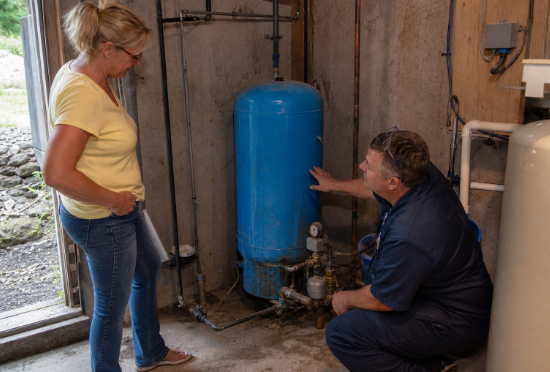
Hillsborough Pump & Well Drilling LLC offers on-site diagnosis for well pump concerns. Its listed services include repair and replacement of well pumps, along with equipment and well-related services that may be appropriate when a simple part replacement is not the right answer.
What Warning Signs Should Homeowners Watch For?
Prompt attention can help homeowners document the problem clearly before it becomes more disruptive. Consider scheduling an inspection when any of the following occurs:
- Low or inconsistent pressure: Water flow may vary due to a pump, tank, control, plumbing, or filtration issue.
- Cloudy or unclean-looking water: Sediment, air, water chemistry, filtration, or well conditions may need evaluation.
- Unusual sounds: New noises from pump equipment or related components should not be ignored.
- Air coming from faucets: Sputtering fixtures can indicate a problem in the water delivery system.
- Higher electricity use: A pump that runs excessively can increase energy consumption and deserves troubleshooting.
How Does a Whole-System Assessment Help?
Well equipment should be selected around the property, not simply by matching the old pump’s label. A useful assessment may consider the pump type and condition, water pressure, household demand, electrical operation, tank capacity, and visible changes in water quality. It may also include discussion of the well itself if the symptoms suggest that broader service could be needed.
This process helps establish whether the existing equipment is appropriately matched to the application. It also gives the homeowner a chance to compare repair and replacement options based on the system’s actual condition, rather than relying on guesswork.
Which Pump and Tank Options May Be Appropriate?
Hillsborough Pump & Well Drilling LLC lists several categories of equipment and services. The right selection depends on the individual’s needs and property requirements.
- Submersible pumps: These pumps operate below the water level and are commonly used where the well configuration calls for that design.
- Shallow-well pumps: A suitable option for wells and installations that fall within the operating limits of shallow-well equipment.
- Deep-well pumps: These systems are considered when the water source is farther below the surface, and the application requires deep-well capability.
- Storage tanks: Tank selection can affect water availability and the overall system’s ability to support the property’s needs.
Should the Pump Be Repaired or Replaced?
Repair may be reasonable when the problem is isolated, the pump remains in suitable condition, and the rest of the system is functioning properly. Replacement may be more practical when breakdowns recur, the existing equipment cannot meet demand, the pump is not well matched to the system, or the cost of repair no longer makes sense compared with a properly selected replacement.
The decision should also account for connected equipment. If pressure controls, tanks, or other components are contributing to the issue, addressing only the pump may leave the original symptoms unresolved.
How Do Water Quality and Filtration Fit Into Pump Service?
A new pump can restore water delivery, but it does not automatically solve every water-quality concern. Cloudiness, odor, taste changes, mineral buildup, or other changes may call for testing before a filtration system is chosen. The EPA recommends annual private-well testing for total coliform bacteria, nitrates, total dissolved solids, and pH, with additional testing when conditions or water quality change.
Hillsborough Pump & Well Drilling LLC also provides water filtration systems. Treatment should be matched to test results and the specific concern identified, rather than selected solely because water looks different or flow has changed.
What Happens After a Tampa Pump Service Request?
- Describe the symptoms, including pressure changes, sounds, cloudy water, air at fixtures, or electrical concerns.
- Share available details about the well, pump, tank, previous repairs, and when the problem began.
- Schedule an on-site evaluation to troubleshoot the system.
- Review the recommended path, which may include repairs, replacements, tank work, filtration, drilling, or other well services.
- Keep records of inspections, testing, repairs, and equipment changes for future maintenance decisions.
Water testing is especially important after repairs, flooding, land disturbance, or noticeable changes in taste, color, or smell. The CDC advises private well owners to use a state-certified laboratory and to ask local health or environmental officials about additional contaminants that may be relevant in their area.
Frequently Asked Questions
Can Hillsborough Pump & Well Drilling LLC help with a pump supply request in Tampa?
Yes. The company provides well pump troubleshooting, repair, replacement, and installation services for properties in r Tampa and Hillsborough County.
What if the pump runs but the water pressure is low?
Low pressure can involve several parts of the system, including the pump, pressure tank, controls, plumbing, or filtration equipment. An inspection can help narrow down the cause.
Can a new well pump clear cloudy water?
Not necessarily. Cloudiness can be related to sediment, air, filtration needs, water chemistry, or well conditions. Testing and system evaluation can help identify the appropriate next step.
How often should private well water be tested?
Annual testing is a sound baseline, and additional testing is appropriate after repairs, flooding, changes in water quality, or other events that could affect the well.
Final Thoughts
Well pump problems are not always caused by the pump itself. Pressure changes, cloudy water, unusual sounds, frequent cycling, and other warning signs can involve several parts of a private well system. A professional evaluation can help identify the underlying issue and determine whether repair, replacement, filtration, tank service, or another solution is appropriate. For Tampa and Hillsborough County property owners, addressing problems early can help maintain dependable water service and support better long-term well maintenance.