Buying around Lake Conroe means deciding which version of the area’s lifestyle matters most to your household: direct water access, easy proximity to recreation, or the privacy of more land. Buyers comparing Conroe, Montgomery, Willis, and nearby communities can get a locally focused perspective from Lake Conroe Area real estate agents Witherspoon Realty Team. Witherspoon Realty Team is led by REALTORS® Cory and Lorie Witherspoon, and its website provides property searches, area information, and buyer and seller services for communities including Conroe, Montgomery, Willis, and The Woodlands.
A waterfront address, a near-lake neighborhood, and an acreage property can all look appealing in listing photos, but each comes with a different mix of access, upkeep, utilities, restrictions, and long-term costs. Comparing the full ownership picture can help buyers choose a home that fits daily life as well as the purchase budget.
The Three Main Property Types Around Lake Conroe
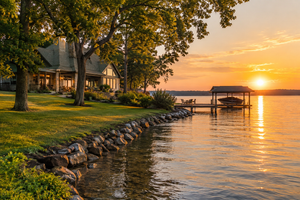
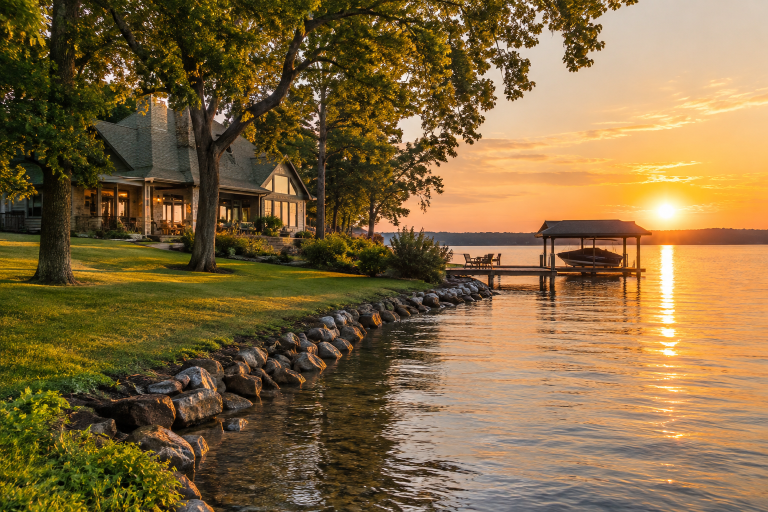
Waterfront homes sit directly along Lake Conroe or another connected body of water and may include shoreline access, a dock, or a boat slip. Near-lake homes are close enough to enjoy marinas, parks, restaurants, and boat ramps without necessarily touching the water. Acreage homes are defined more by land, privacy, and flexibility than lake access, although some properties combine acreage with a lake-area location.
These categories can overlap. A home may have a water view, but no right to install a dock. Another may offer community lake access rather than a private shoreline. A wooded acreage tract may feel secluded while still being a convenient drive from the lake. Buyers should compare the property description, survey, restrictions, and actual access points rather than relying on broad listing labels.
What To Check in a Waterfront Home
Waterfront ownership can be especially appealing for households that want boating, fishing, kayaking, entertaining, or a daily view of the water. The shoreline and improvements, however, should receive as much attention as the house itself.
Questions Worth Asking
- Does the property have direct access to Lake Conroe, and is the access practical for the intended use?
- Is there a dock, boat lift, covered slip, bulkhead, or seawall, and what is its current condition?
- Who is responsible for shoreline, dock, and bulkhead maintenance?
- Are permits or community approvals required for repairs or future improvements?
- Does the bank slope sharply, hold standing water, or show signs of erosion?
A scenic cove can still have shallow water, a steep bank, or limited room for a boat. Before making an offer, buyers should understand what they are purchasing beyond the view and include appropriate inspections for visible shoreline structures.
What Near-Lake Homes Offer
Near-lake homes can be a practical fit for buyers who value recreation but do not need direct water access every day. They may offer a wider range of neighborhood settings, from established subdivisions to newer communities, while avoiding responsibility for a private dock or shoreline improvements.
“Near the lake” needs a precise definition. For one property, it may mean a walk to a neighborhood amenity. For another, it may mean a short drive to a public ramp or marina. Confirm the route, parking availability, community access rules, and whether the property has any promised access rights.
What To Know About Acreage Properties
Acreage around the Lake Conroe area can appeal to buyers who want distance between neighbors, space for a workshop, room for animals, gardens, equipment, or future improvements. More land can create more flexibility, but it also creates more systems and surfaces to manage.
Acreage Checklist
- Confirm whether water service is public, private well, or shared.
- Review septic records and arrange an inspection when the property uses a septic system.
- Check easements, road access, gate arrangements, fencing, and driveway maintenance.
- Read deed restrictions for limits on animals, outbuildings, business activity, or new construction.
- Walk the land to assess drainage, mature trees, low spots, and clearing needs.
A long driveway, aging fence, large lawn, private well, and septic system can all be manageable, but they should be treated as real ownership responsibilities rather than afterthoughts.
The Full Cost of Ownership
Purchase price is only one part of the decision. Buyers should compare projected mortgage costs with property taxes, insurance, HOA or other community fees, utilities, repairs, and maintenance. Waterfront homes may involve dock, lift, bulkhead, or shoreline costs. Acreage homes may involve land care, tree work, fencing, gates, private roads, wells, septic systems, or propane equipment.
Flood exposure should be reviewed by address, not assumed from a property’s distance to the lake. The FEMA Flood Map allows buyers to review available flood map information, which can be useful alongside seller disclosures, insurance quotes, elevation information, and an inspection of drainage conditions.
Due Diligence Before Making an Offer
- Review the survey. Confirm boundaries, easements, shared access, and visible encroachments.
- Study water and drainage conditions. Ask about prior water intrusion, drainage work, and flood insurance history.
- Inspect the home’s major systems. Focus on roof, foundation, plumbing, electrical, HVAC, and visible exterior conditions.
- Inspect property-specific features. Evaluate docks and bulkheads for waterfront homes, or wells, septic systems, fences, and roads for acreage.
- Read the restrictions. Confirm rental policies, building requirements, boat rules, and land-use limitations before the option period ends.
- Request insurance estimates early. A realistic quote can materially affect the monthly ownership budget.
Regional planning materials from the San Jacinto Flood Planning Region can also provide useful context for buyers who want to understand the broader flood-planning area that includes Lake Conroe.
A Simple Property Comparison Guide
- Waterfront home: Best for buyers who expect to use the lake frequently and place a high value on direct access. Expect to investigate shoreline condition, dock features, and water-related maintenance.
- Near-lake home: Best for buyers seeking access to Lake Conroe recreation with potentially fewer water-edge responsibilities. Verify exactly how close the lake is and what access is available.
- Acreage home: Best for buyers who prioritize land, privacy, and flexibility. Plan for greater involvement with outdoor maintenance and private infrastructure.
Final Thoughts
The right Lake Conroe property is the one that supports the way a household actually plans to live. Waterfront can maximize lake access, near-lake living can balance recreation with convenience, and acreage can provide privacy and room to grow. A careful review of access, insurance, utilities, restrictions, drainage, and ongoing maintenance helps buyers move forward with fewer surprises.