Maintaining a comfortable indoor climate throughout sweltering summer months relies heavily on the optimal performance of your home air conditioning system. Many homeowners view mechanical service only as an emergency response when a complete breakdown occurs during a heatwave.
However, addressing minor mechanical faults through timely AC repair plays a vital role in maximizing energy efficiency, reducing monthly utility expenses, and extending the lifespan of your valuable cooling equipment.
Restoring Optimal Refrigerant Levels for Peak Heat Transfer Efficiency
Refrigerant is the chemical lifeblood responsible for absorbing indoor heat and releasing it safely outside your residential property. When a cooling unit develops a slow leak, refrigerant levels drop significantly, forcing the compressor to work twice as hard to cool your rooms.
This continuous strain draws excessive electrical power while delivering subpar indoor comfort. Restoring correct fluid pressures through professional AC repair ensures your system operates at peak thermodynamic efficiency without wasting electricity.
Eliminating Airflow Obstructions and Dirty Coil Resistance
Dust, pollen, and pet dander accumulate continuously on evaporator and condenser coils over months of heavy operational usage. This insulating layer of grime acts as a barrier, preventing efficient heat exchange and forcing the fan motor to consume more energy.
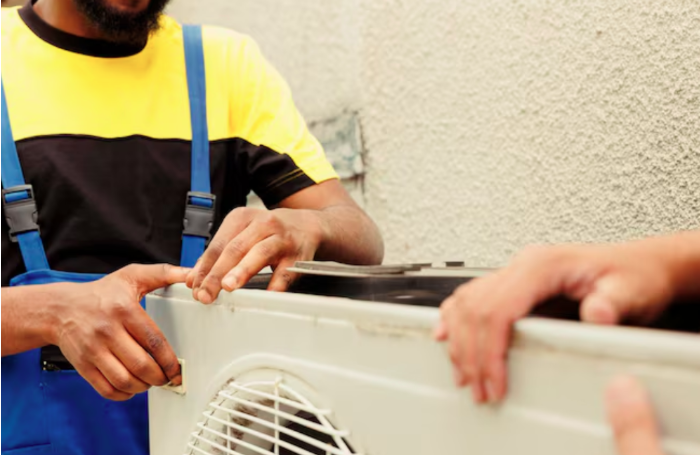
Professional technicians clean these vital components and clear blocked ducts during service appointments. Removing airflow restrictions allows your equipment to circulate air smoothly, directly translating into noticeable energy savings on every monthly power bill.
Preventing Electrical Resistance Caused by Worn Components
Electrical wiring, capacitors, and contactors experience immense wear and tear as they cycle on and off throughout hot summer days. Worn connections or failing electrical components create resistance, which generates excess heat and drains more electricity from your home grid.
Routine inspections and prompt AC repair replace these degraded parts before they cause systemic electrical inefficiencies. Ensuring clean electrical flow keeps your unit running smoothly and prevents power wastage.
Correcting Motor Strain and Mechanical Friction Issues
Blower motors and compressor units rely on well-lubricated bearings and balanced moving parts to operate with minimal mechanical resistance. Over time, lack of lubrication or worn-out belts introduce heavy friction, causing motors to draw significantly higher electrical current to maintain rotation.
Addressing these mechanical bottlenecks during scheduled servicing eliminates unnecessary drag. Reducing physical friction allows the system to achieve desired indoor temperatures using a fraction of the power.
Stopping Short Cycling to Reduce Energy Waste
Short cycling occurs when an air conditioner repeatedly turns on and off in rapid succession without completing a full cooling cycle. This erratic behavior places massive electrical strain on the system, as starting a compressor requires a massive surge of electrical power.
Diagnosing the underlying sensor or thermostat failure through qualified AC repair halts this wasteful cycle. Ensuring smooth, continuous operation eliminates energy spikes and protects internal electrical components from premature burnout.
Long-Term Financial Advantages of Proactive Maintenance and Repairs
Waiting until a cooling system completely fails before calling a technician often results in expensive emergency service fees and higher utility costs. Proactive homeowners who address minor performance drops early enjoy consistently lower energy consumption and fewer catastrophic breakdowns.
Investing in regular tune-ups and necessary repairs guarantees that your air conditioner remains an efficient, cost-effective asset that keeps your household comfortable year after year.